
Shoulder pain is one of the most common issues we treat at Physio Mechanics. This is largely because we rely on our shoulders constantly for everyday tasks such as lifting, reaching, driving, sport, and caring for children. The shoulder is a highly mobile ball-and-socket joint supported by a complex system of muscles, tendons, ligaments, and cartilage. While this allows for a wide range of movement, it also makes the shoulder vulnerable to overload, irritation, and injury.
Shoulder pain can develop suddenly after an injury or gradually over time due to repetitive strain. Common symptoms include pain, weakness, stiffness, reduced movement, and difficulty with overhead or reaching activities.
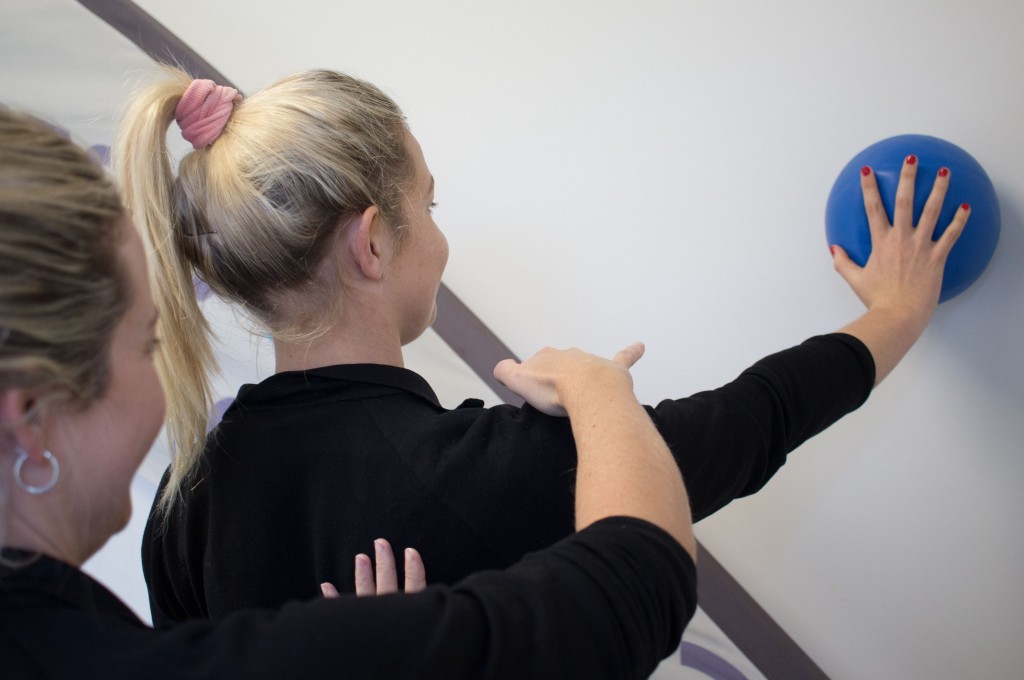

At Physio Mechanics, we complete a detailed assessment of your shoulder function, movement, and contributing factors from the neck, upper back, and surrounding musculature. This allows us to identify the true cause of your pain, not just the site of symptoms.
Treatment is hands-on and may include joint mobilisation, soft tissue therapy, and targeted techniques such as dry needling or cupping where clinically appropriate to reduce pain and restore movement. This is combined with a progressive exercise programme to rebuild shoulder strength, stability, and control.
Where required, we also help guide further management including imaging, injections, or specialist referral, ensuring you are on the most effective pathway for recovery. Our goal is to restore full shoulder function and reduce the risk of ongoing or recurring problems.
The rotator cuff is a group of muscles that stabilise the shoulder and control movement. Injury can occur from sudden trauma such as a fall or sporting incident, or from gradual overload. This may present as pain, weakness, or difficulty lifting the arm.
Physiotherapy plays a key role in recovery, whether the injury is mild or more significant, and helps restore strength and function. In some cases, further medical management may be required, which we can support and guide you through.
Shoulder impingement occurs when tendons or bursa structures become compressed within the shoulder joint during movement. This is often due to inflammation, repetitive overhead activity, or movement dysfunction.
It typically presents as pain when lifting the arm, especially above shoulder height, and can worsen with repetitive activity. Treatment focuses on restoring normal movement patterns, reducing inflammation, and improving shoulder control.
Frozen shoulder is a condition where the joint capsule becomes stiff and tight, significantly restricting movement. It often develops gradually and can severely limit daily function, particularly reaching overhead or behind the back.
While the exact cause is not always clear, it is more common following periods of reduced shoulder movement or in certain health conditions. Physiotherapy is essential in managing symptoms, maintaining as much movement as possible, and guiding recovery through each stage.
The acromioclavicular (AC) joint sits at the top of the shoulder and is commonly injured through falls, contact sport, or repetitive loading such as bench pressing or overhead activity.
Injury to this joint can cause localised pain, swelling, and difficulty with pressing or lifting movements. Treatment focuses on pain reduction, restoring movement, and progressive strengthening to support full recovery.
Take control of your recovery with confidence. Reach out today.


