You might think an elbow injury is minor – but even simple daily tasks like turning a key, lifting a kettle, carrying groceries, gripping tools, or playing sport can quickly become painful and limiting.
The elbow is a hinge joint connecting the upper arm (humerus) to the forearm bones (radius and ulna). It relies on a complex system of muscles and tendons that control gripping, lifting, and wrist movement. The wrist flexor tendons attach on the inside of the elbow, while the wrist extensor tendons attach on the outside. These tendon attachment points are common sites of overuse injury due to repetitive loading through work, sport, or daily activities. Ligaments also support the joint, and injury can occur through either sudden strain or gradual overload, resulting in pain, weakness, and reduced function.
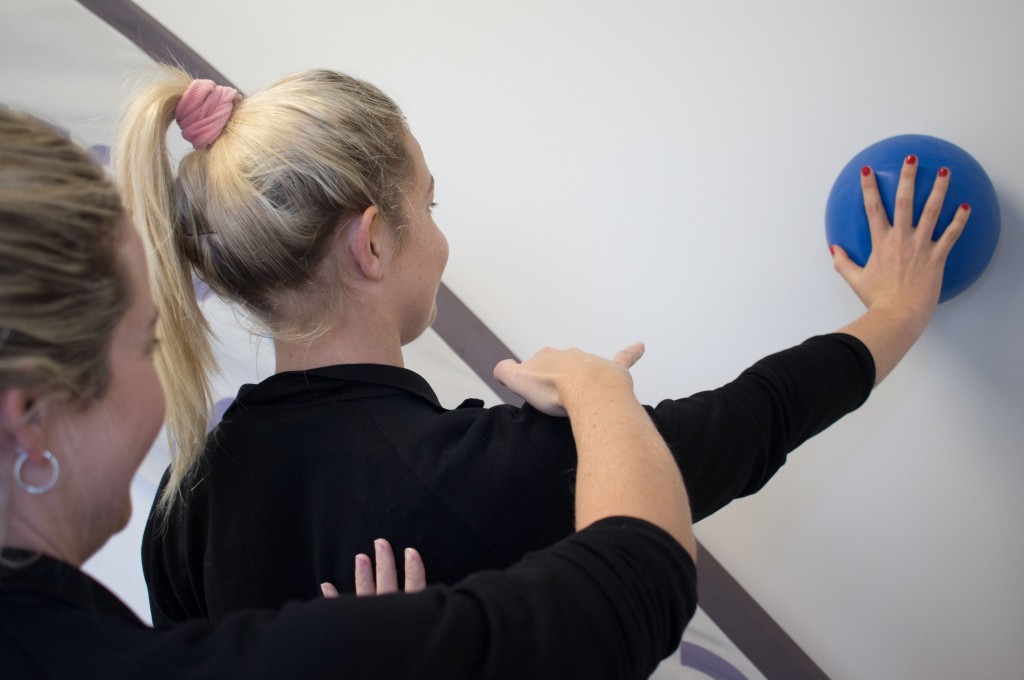
Even minor elbow injuries can become persistent if not managed early. At Physio Mechanics, we focus on identifying the underlying cause of your symptoms – not just the area of pain. Your assessment includes joint function, tendon load capacity, grip strength, and contributing factors from the wrist, shoulder, and neck.
Treatment is hands-on and may include soft tissue therapy, tendon loading techniques, dry needling, taping or bracing, and targeted exercise rehabilitation to restore strength and function. Our goal is to reduce pain, restore load tolerance, and prevent recurrence so you can return to work, sport, and daily activities confidently.
Tennis elbow causes pain on the outside of the elbow, affecting the wrist extensor tendons. It is commonly caused by repetitive gripping, lifting, typing, or racket sports. Pain often affects grip strength and makes everyday tasks such as lifting or opening objects difficult.
Physiotherapy focuses on load management, tendon rehabilitation, strengthening, and improving wrist and forearm control.
Golfer’s elbow causes pain on the inside of the elbow where the wrist flexor tendons attach. It is typically caused by repetitive gripping, lifting, or throwing activities. Symptoms may include pain when lifting objects, shaking hands, or using tools.
Treatment focuses on reducing tendon overload, restoring strength and flexibility, and correcting contributing movement patterns.
Radial nerve irritation occurs when the nerve is compressed or restricted as it passes around the outer elbow. This can cause pain, tingling, or weakness into the forearm and hand, and may affect grip strength or forearm rotation.
Physiotherapy treatment includes nerve mobility techniques, soft tissue release, strengthening, and load modification strategies.
Triceps tendinopathy is an overload injury affecting the tendon at the back of the elbow where the triceps muscle attaches. t is commonly seen with pushing, lifting, or gym-based activities such as pressing or bench work. Symptoms include pain at the back of the elbow, particularly with pushing or loading the arm.
Treatment focuses on progressive tendon loading, strengthening, and correcting training or movement patterns to restore full function.
Take control of your recovery with confidence. Reach out today.